




Move Towards Lasting Spine Relief Today
Restore spinal flexibility through personalized rheumatology care and guidance.
Schedule Consultation


 Ankylosing Spondylitis (AS)

Ease spinal stiffness. Move with lasting confidence.
Ankylosing Spondylitis (AS) is a chronic inflammatory arthritis that mainly affects the spine and sacroiliac joints (joints between the spine and pelvis). Over time inflammation can cause chronic back pain, stiffness of the spine, reduced flexibility and abnormal posture.
Early Diagnosis & Pain Management
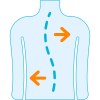
Keeping Spine Flexible & Strong

Long-Term Movement & Life Quality
Ankylosing Spondylitis (AS) is a long-term inflammatory condition that primarily affects the spine and sacroiliac joints, leading to persistent back pain, stiffness, and reduced flexibility.
It also affects other joints like, wrist, elbow shoulder , small joints of hands, hip, knee and other joints of legs. In eye it cause inflammation that lead to uveitis, It also associated inflammation in intestines. Early diagnosis and appropriate treatment can help prevent long-term spinal and articular damage and deformities.
The disease commonly begins in young adults between 15–40 years of age. Early diagnosis and treatment can prevent permanent spinal damage.
Genetic factors such as HLA‑B27 are associated with Ankylosing Spondylitis. Family history of spondyloarthritis, psoriasis, or inflammatory bowel disease may increase risk.
Contact Us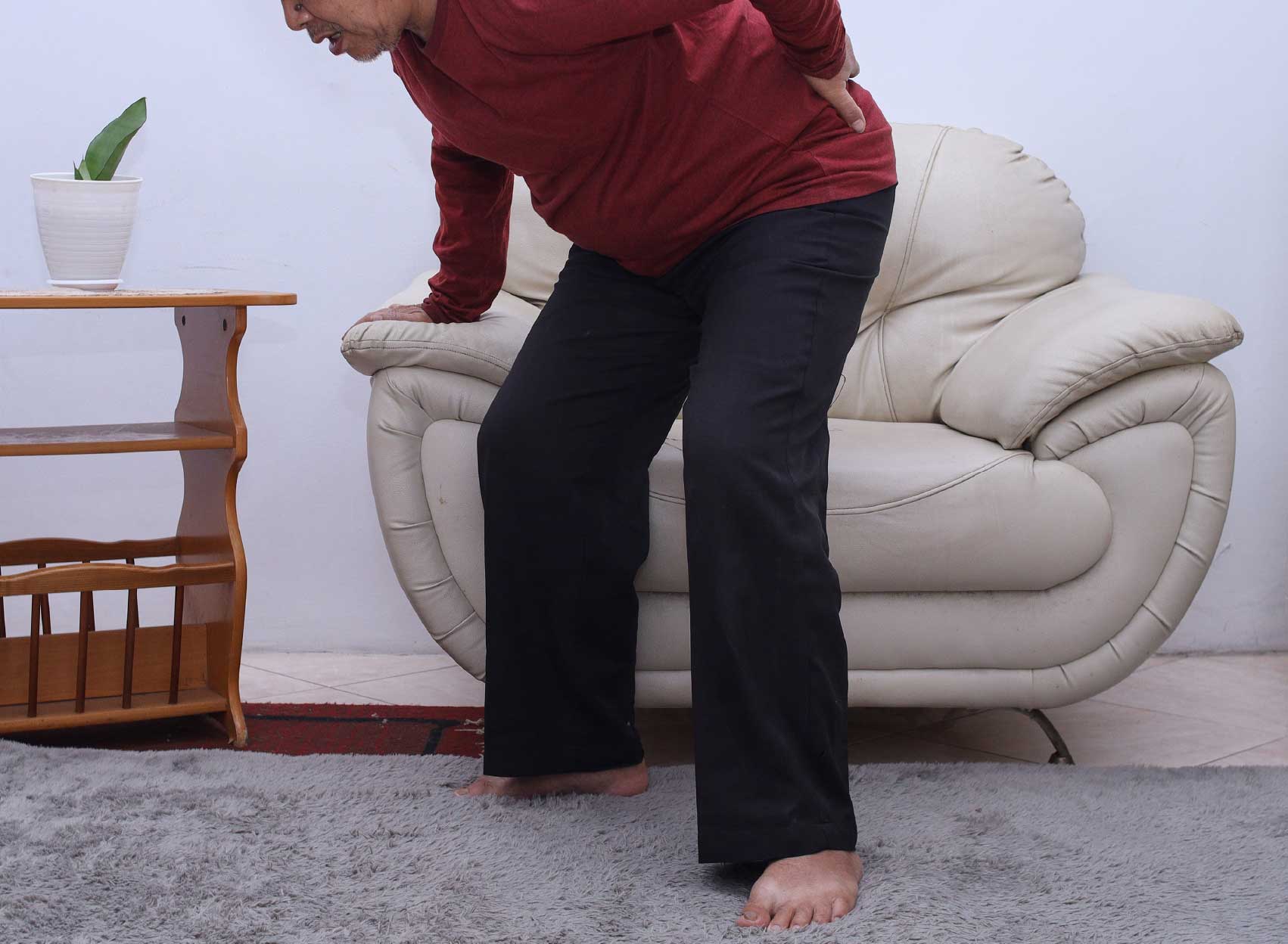

Chronic low back pain that behaves differently from ordinary muscular strain.

Spinal stiffness on waking that eases with movement, not rest.

Unlike mechanical back pain, activity relieves it rather than worsening it.

Pain from inflammation at the sacroiliac joints and heel tendons.

Reduced neck mobility as inflammation progresses up the spine.

General tiredness linked to ongoing spinal and joint inflammation.

Repeated episodes of eye redness, pain, light sensitivity, or blurred vision caused by inflammation (uveitis).

Inflammation may affect joints such as the shoulders, hips, knees, or ankles, causing pain and swelling.

Progressive spinal stiffness may lead to a stooped posture and reduced flexibility if left untreated.
Disease at a Glance

Autoimmune Arthritis

Affects Spine & Sacroiliac Joints

Pediatric to adult population (ages 15–50)

Chronic Condition

Not Curable, But Controllable
–>Treatable & Controllable
Spine with Ankylosing Spondylitis
Healthy Spine
Who is at Risk?

Diagnosis

Treatment Options
Although Ankylosing Spondylitis cannot be completely cured, treatment can control inflammation and prevent disability.
Daily stretching, posture exercises, spinal extension exercises breathing exercises, swimming and physiotherapy help maintain spinal flexibility, mobility and reduce stiffness and prevent ankylosis.
Early diagnosis is very important to prevent organ damage.



Our team of experienced specialists provides expert care tailored to your unique health needs.



Compassionate, evidence-based rheumatology care focused on long-term wellness.
Evidence-Based Treatment
Internationally accepted protocols tailored to each patient’s condition.

10+ Years
Specialized Rheumatology Experience

Compassionate & Long-Term Care
Dedicated management of autoimmune and joint disorders with continuous follow-up for sustained health improvement.
View ProfileAccurate & Early Diagnosis
Early detection prevents irreversible joint damage and long-term disability.

Modern Diagnostic Support
Advanced lab investigations and imaging for precise assessment.
Transparent Communication
Clear explanation of diagnosis, treatment options, and expected outcomes.20K+
Patients Managed
Our Approach to Personalized Ankylosing spondylitis Care

We evaluate spinal movement, posture, pain patterns, and physical limitations.

Advanced imaging and laboratory findings help assess disease activity and spinal involvement.

Treatment combines medication, physiotherapy, stretching, and lifestyle measures for improved function.

Regular reviews monitor flexibility, treatment response, and help reduce future complications.
Our Approach to Personalized Rheumatology Care


Move Towards Lasting Spine Relief Today
Restore spinal flexibility through personalized rheumatology care and guidance.
Schedule Consultation