

















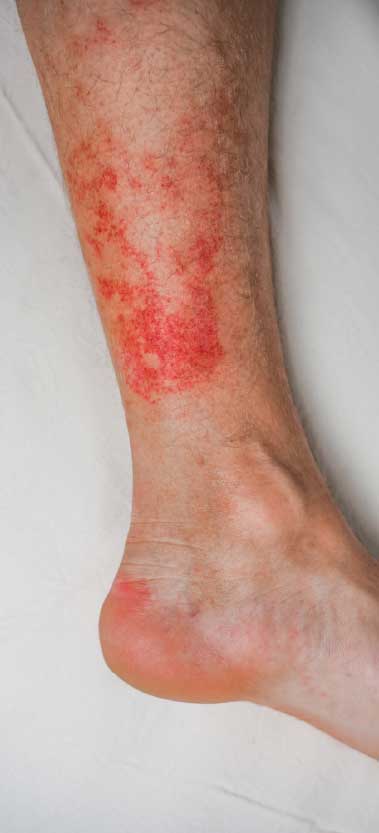
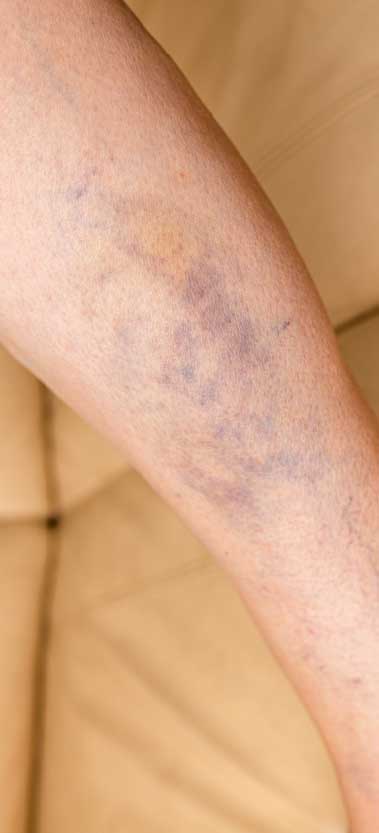


Begin Your Vasculitis Healing Journey Today
Protect vital organs with timely specialist treatment and support.
Schedule Consultation


 ANCA Vasculitis

Understand the disease. Protect your vital organs.
ANCA stands for Anti-Neutrophil Cytoplasmic Antibodies, which are detected in blood tests. ANCA vasculitis is an autoimmune disease affecting small blood vessels and organs like kidneys, lungs, skin and nerves.

Early ANCA Detection & Timely Intervention

Precision Organ Protection Strategy

Long-Term Remission & Relapse Management
ANCA Vasculitis is a group of rare autoimmune diseases in which the immune system mistakenly attacks small blood vessels, causing inflammation and reduced blood flow to vital organs such as the kidneys, lungs, skin, nerves, and sinuses.
Early diagnosis and timely treatment are essential to prevent irreversible organ damage. At Niruj Rheumatology & Allergy Clinic, we provide comprehensive evaluation, accurate diagnosis, and personalized treatment plans focused on controlling inflammation, protecting organs, preventing relapses, and helping patients achieve long-term disease remission and a better quality of life.
Book an Appointment Now

Granulomatosis with Polyangiitis (GPA)

Microscopic Polyangiitis (MPA)

Eosinophilic Granulomatosis with Polyangiitis (EGPA)
Disease at a Glance

Autoimmune Vasculitis

Can Occur at Any Age

Both men & women affected

Genetic predisposition

Environmental & infectious triggers

History of chronic recurrent sinusitis

Affects Kidneys, Lungs, Skin & Nerves

Not Curable, But Highly Treatable
–>Highly Treatable
Treatment aims to control inflammation and prevent relapse. Diagnosis is based on a combination of blood tests (ANCA test: PR3-ANCA, MPO-ANCA), urine tests, imaging such as X-ray or CT scan, and biopsy of the kidney, lung, or skin when needed. Early diagnosis is very important to prevent organ damage.
Diagnosis is based on a combination of:
Treatment aims to control inflammation and prevent relapse.
1. Induction Therapy (to control disease)
2. Maintenance Therapy (to prevent relapse)

Inflamed Blood Vessel

Healthy Blood Vessel
Early diagnosis can prevent irreversible organ damage. Consult a rheumatologist today.

Our team of experienced specialists provides expert care tailored to your unique health needs.



Compassionate, evidence-based rheumatology care focused on long-term wellness.
Evidence-Based Treatment
Internationally accepted protocols tailored to each patient’s condition.

10+ Years
Specialized Rheumatology Experience

Compassionate & Long-Term Care
Dedicated management of autoimmune and joint disorders with continuous follow-up for sustained health improvement.
View ProfileAccurate & Early Diagnosis
Early detection prevents irreversible joint damage and long-term disability.

Modern Diagnostic Support
Advanced lab investigations and imaging for precise assessment.
Transparent Communication
Clear explanation of diagnosis, treatment options, and expected outcomes.20K+
Patients Managed
Our Approach to Personalized ANCA-Associated Vasculitis Care

Evaluate symptoms, organ involvement, and overall disease activity.

Advanced testing to confirm diagnosis and assess disease severity.

Personalized treatment to control inflammation and protect vital organs.

Regular follow-ups to maintain remission and prevent disease relapse.
It is an autoimmune disease. The exact cause is unknown but may involve:
Both need treatment.
Regular monitoring helps detect relapse early.
Diet cannot cure vasculitis, but it helps in recovery:
You should consult early if you have:
Early treatment can prevent permanent organ damage.
Our Approach to Personalized Rheumatology Care


Begin Your Vasculitis Healing Journey Today
Protect vital organs with timely specialist treatment and support.
Schedule Consultation